Get Dead Branch Removal in Denver, CO
Dead Branch Removal services help Denver-area property owners eliminate hazardous or unsightly dead limbs from trees, improving safety and appearance for various landscaping projects.
Dead branch removal is an important step in maintaining the health and safety of trees on residential and commercial properties in Denver, CO. Removing dead or dying branches can prevent potential hazards, such as falling limbs that might cause damage or injury. Additionally, clearing away these branches helps promote the overall vitality of trees, supporting their growth and longevity. Property owners considering this work often do so to reduce risks, improve landscape appearance, or prepare for seasonal changes, making it a practical aspect of property maintenance.
For those exploring options for dead branch removal, connecting with experienced local contractors can provide valuable insights into the best approaches for their specific needs. Comparing different service providers in Denver ensures that property owners can find professionals who understand the local environment and can deliver effective, reliable work. Keep reading to learn more about how local experts can assist with dead branch removal and how to find the right fit for your property.
- Dead Branch Removal - needed when dead or dying branches pose a risk of falling and causing damage or injury in residential yards.
- Hazardous Tree Trimming - required when overgrown or weakened branches threaten power lines or nearby structures in neighborhoods like Capitol Hill.
- Storm Damage Cleanup - necessary after severe weather to remove broken or fallen branches from trees in urban and suburban areas.
- Tree Health Maintenance - advised when dead branches impair the overall health of trees in parks or private landscapes.
- Emergency Tree Services - sought when urgent removal of dead branches is needed to prevent safety hazards during high winds or storms.
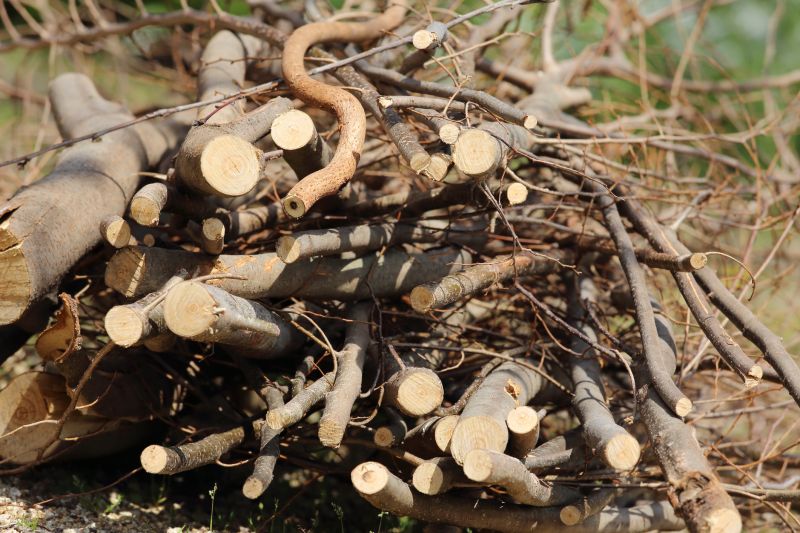
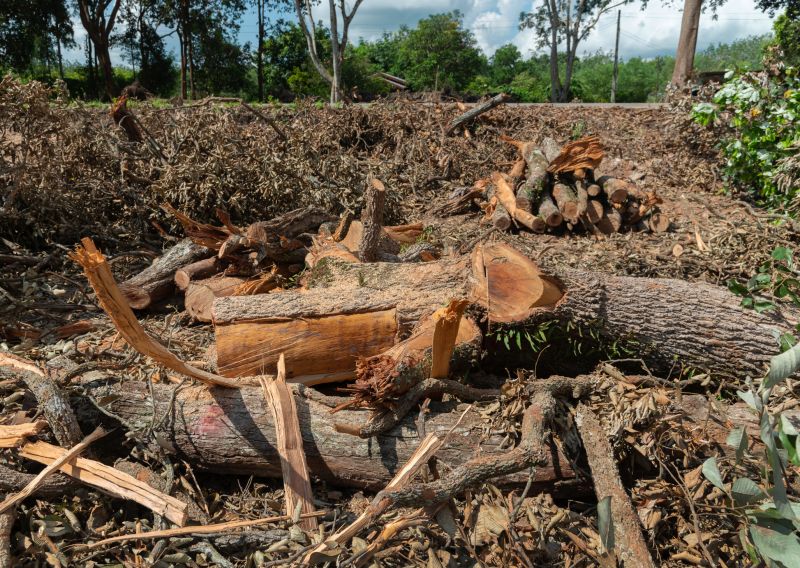
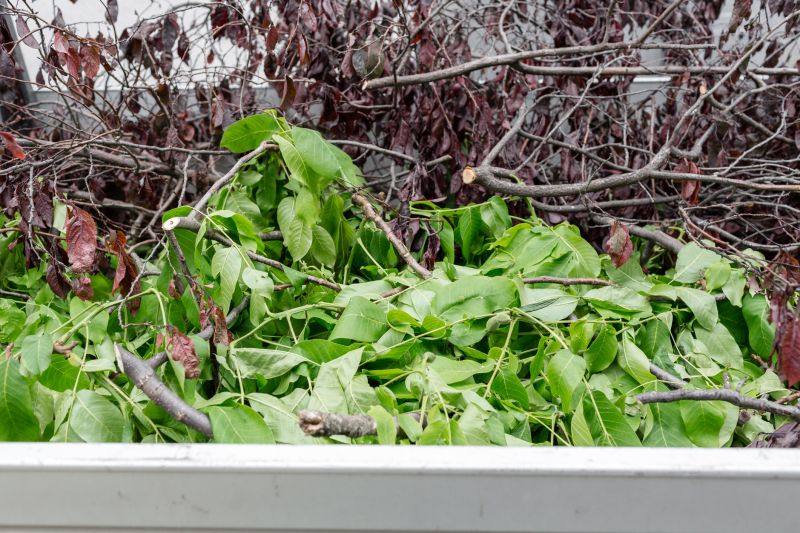
Dead branch removal services focus on safely taking out dead or dying limbs from trees on residential or commercial properties. Over time, some branches may become weakened or diseased, making them more likely to break and fall unexpectedly. Professional contractors use specialized tools and techniques to carefully trim away these hazardous limbs, reducing the risk of damage to property or injury to people. This service helps maintain the overall health and appearance of trees while addressing specific safety concerns related to dead or compromised branches.
Removing dead branches can resolve several common problems that homeowners face. For example, dead limbs can fall unexpectedly during storms or high winds, posing a danger to people, vehicles, or structures beneath. Additionally, decayed or diseased branches can spread issues to healthy parts of the tree or neighboring plants. By clearing away these problematic limbs, property owners can prevent potential damage, reduce the likelihood of pest infestations, and promote the continued vitality of their trees. Dead branch removal is an important step in ongoing tree maintenance and safety.
This service is often sought by homeowners, property managers, and business owners who want to keep their properties safe and visually appealing. It is especially relevant for properties with mature trees, large shade trees, or those located near walkways, driveways, or structures. Homes in areas prone to storms or high winds may also benefit from dead branch removal to minimize storm-related hazards. Whether for routine maintenance or addressing specific concerns, local contractors can assess the condition of trees and recommend appropriate dead branch removal to fit the needs of any property.
In many cases, dead branch removal is part of a broader tree care plan that includes pruning, health assessments, and general maintenance. Property owners who notice hanging, broken, or visibly decayed limbs should consider professional removal services to address potential hazards. This service is suitable for a variety of property types, including single-family homes, apartment complexes, commercial buildings, and parks. Connecting with experienced local contractors ensures that dead branches are removed safely and effectively, helping to preserve the safety, health, and beauty of trees on any property.
The overview below groups typical Dead Branch Removal projects into broad ranges so you can see how smaller, mid-sized, and larger jobs often compare in Denver, CO.
In many markets, a large share of routine jobs stays in the lower and middle ranges, while only a smaller percentage of projects moves into the highest bands when the work is more complex or site conditions are harder than average.
Smaller Repairs - Removing a few dead or hazardous branches typically costs between $250 and $600. Many routine jobs fall within this range, especially for trees under 30 feet tall. Fewer projects require extensive work that pushes the price higher.
Moderate Tree Trimming - For larger, more involved dead branch removal, costs usually range from $600 to $1,200. These projects often involve multiple branches or trees over 30 feet tall and are common in residential properties around Denver.
Extensive Dead Branch Removal - Larger or more complex projects, such as removing dead limbs from mature trees, can range from $1,200 to $3,000. Such jobs are less frequent but necessary for safety and tree health in extensive landscapes.
Full Tree Removal - Complete removal of a dead or hazardous tree can exceed $3,000, with some larger or difficult-to-access trees reaching $5,000 or more. These are typically less common but may be required in severe situations or for safety reasons.
Actual totals will depend on details like access to the work area, the scope of the project, and the materials selected, so use these as general starting points rather than exact figures.
Tree Trimming and Pruning - professionals who shape and maintain trees often perform dead branch removal as part of their services to promote healthy growth and safety.
Storm Damage Cleanup - contractors who clear fallen or broken branches after storms use similar skills and tools to safely remove hazardous dead limbs.
Tree Health Assessments - arborists evaluating tree conditions may identify dead or decaying branches that require removal to prevent future hazards.
Land Clearing Services - land clearing crews often handle removing dead or unwanted branches and small trees to prepare properties for development or landscaping.
Emergency Tree Services - responders who handle urgent tree or branch hazards utilize comparable planning and equipment to quickly eliminate dangerous dead limbs.
Stump Grinding and Removal - specialists who remove remaining stumps often work alongside dead branch removal to ensure comprehensive tree health and safety solutions.
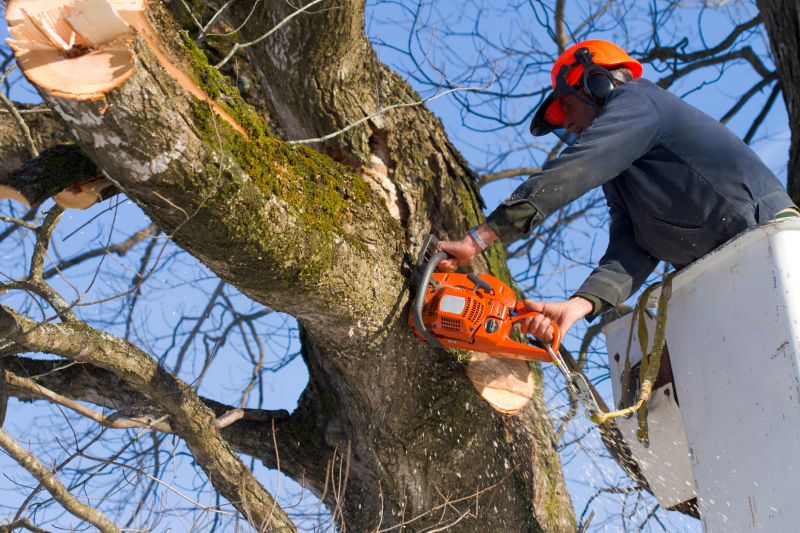
When evaluating contractors for dead branch removal, it’s important to consider their experience with similar projects. Homeowners should look for service providers who have a track record of safely and effectively removing dead branches from trees similar in size, species, and location to those on the property. A contractor’s familiarity with local tree varieties and common challenges in the Denver area can contribute to a smoother process and help ensure the work is handled properly. Checking whether a service provider has completed comparable jobs can provide confidence that they understand the specific requirements and potential issues related to dead branch removal.
Clear, written expectations are essential when comparing local contractors. Homeowners should seek detailed descriptions of the scope of work, including what will be removed, how the work will be performed, and any cleanup procedures. Having these details in writing helps prevent misunderstandings and ensures everyone is aligned on the project’s goals. Service providers who communicate expectations upfront demonstrate professionalism and transparency, making it easier to assess their approach and avoid surprises once the work begins.
Reputable references and effective communication are key factors when choosing a contractor for dead branch removal. Homeowners can ask potential service providers for references from past clients who had similar work done. Contacting these references can reveal insights into the contractor’s reliability, quality of work, and how well they communicated throughout the project. Additionally, service providers who are responsive and clear in their communication tend to be more reliable partners, making the entire process more straightforward. It’s important to remember that the site introduces homeowners to local options but does not perform the work itself, so selecting a qualified and communicative contractor is crucial for a successful outcome.
Property owners in Denver, CO use Dead Branch Removal services for practical projects around their homes and businesses. This guide focuses on everyday jobs and straightforward project options.
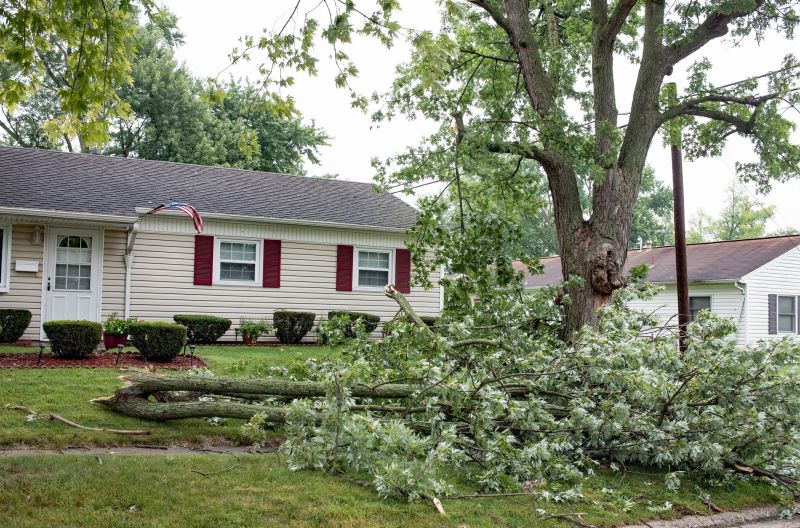
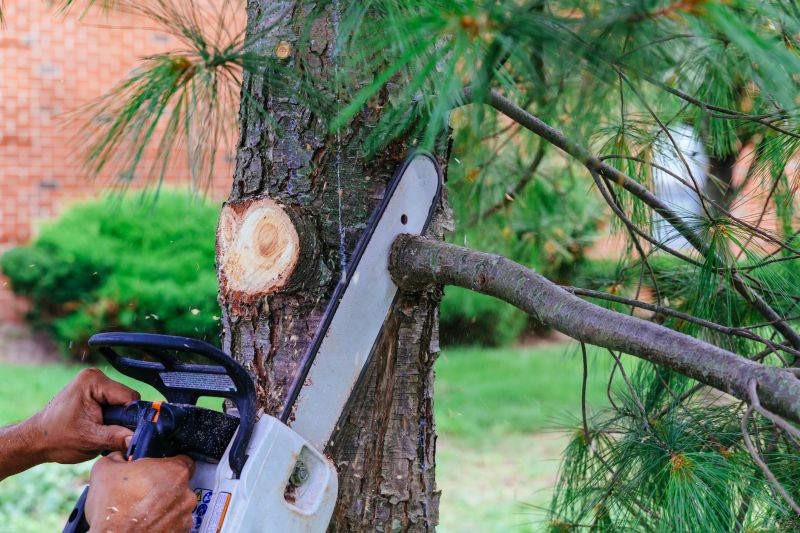
Dead branches can pose a safety risk to property owners in Denver, especially during Colorado's stormy seasons when high winds and heavy snowfall are common. Over time, dead or decaying limbs may become unstable and threaten to fall, potentially damaging roofs, fences, or vehicles. Property owners often seek dead branch removal services to prevent accidents, protect their investments, and maintain a safe outdoor environment.
In addition to safety concerns, dead branches can also impact the health and appearance of trees on residential or commercial properties. Removing these problematic limbs helps improve tree structure, encourages healthy growth, and enhances curb appeal. Local contractors experienced in dead branch removal can assess the situation and provide solutions that support both safety and aesthetic goals for properties across Denver and nearby areas.
Why should I consider dead branch removal? Removing dead branches can help prevent potential damage to your property and reduce the risk of falling limbs that could cause injury or property damage.
How do professionals handle dead branch removal? Local contractors typically assess the tree, safely prune or cut away dead branches, and ensure the health and safety of the tree and surrounding area.
What types of trees can be serviced for dead branch removal? Most common types of trees in Denver and nearby areas can be serviced, including deciduous and evergreen species, depending on the condition of the branches.
Is dead branch removal necessary for healthy trees? While not always necessary, removing dead branches can promote better overall tree health and prevent decay or disease from spreading.
How can I find qualified service providers for dead branch removal? This site can help connect with local contractors experienced in dead branch removal, allowing for comparison and selection based on your needs.
Enhance Property Safety - Removing dead branches can prevent potential hazards like falling limbs that may damage property or cause injury during storms.
Improve Curb Appeal - Clearing away dead or dying branches helps maintain a neat, attractive appearance for yards and landscapes.
Prepare for Seasonal Changes - Dead branch removal can reduce the risk of damage from winter storms or heavy snow loads on trees.
Protect Surrounding Vegetation - Removing decayed branches promotes healthier growth for nearby trees and plants while preventing disease spread.
If you are thinking about Dead Branch Removal for a property in Denver, CO, this guide is meant to help you understand the work, the typical project types, and how different options might fit your plans.
When you are ready, you can use the quote form on this page to share a few details about your project. From there, local pros can review the basics and respond with options that match what you have in mind.